

Hard Water vs. Soft Water: What Florence, SC Homeowners Need to Know
Understanding your water quality is the first step to protecting your home, appliances, and family
If your dishes come out spotty, your skin feels dry after showering, or your water heater seems to be working overtime, hard water could be the culprit. Most homes in Florence and throughout the Pee Dee region deal with some degree of water hardness — and many homeowners don't realize the long-term toll it's taking on their plumbing, appliances, and daily life.
What Is Hard Water?
Water is classified as "hard" or "soft" based on its mineral content — specifically the concentration of dissolved calcium and magnesium. As water travels through soil and rock before reaching your tap, it picks up these minerals naturally. The more minerals it absorbs, the harder the water.
Water hardness is measured in grains per gallon (GPG) or milligrams per liter (mg/L). Here's a general scale:
| Classification | Grains Per Gallon (GPG) | What It Means |
|---|---|---|
| Soft | 0 – 1 GPG | Ideal for plumbing and appliances |
| Slightly Hard | 1 – 3.5 GPG | Generally acceptable, minor effects |
| Moderately Hard | 3.5 – 7 GPG | Noticeable scale and soap issues begin |
| Hard | 7 – 10.5 GPG | Significant appliance and skin effects |
| Very Hard | 10.5+ GPG | Severe scale buildup, urgent treatment recommended |
Hard Water vs. Soft Water: Side by Side
- Leaves white scale on fixtures & appliances
- Reduces soap lather — uses more product
- Leaves spots on dishes & glassware
- Causes dry skin and dull hair
- Clogs pipes with mineral deposits
- Reduces water heater efficiency
- Shortens appliance lifespan
- Leaves bathtub ring and soap scum
- No scale buildup on pipes or fixtures
- Rich lather with less soap needed
- Spot-free dishes and glassware
- Softer skin and shinier hair
- Pipes stay clear and flow freely
- Full water heater efficiency retained
- Appliances last significantly longer
- Easier bathroom and kitchen cleaning
Signs You Have Hard Water in Your Florence Home
Hard water doesn't always announce itself — but the evidence builds up over time. Here are the most common signs Florence homeowners notice:
That chalky white or yellowish buildup around your faucets, showerheads, and around the base of your toilet is limescale — the calling card of hard water. It's calcium and magnesium left behind as water evaporates, and it gets thicker over time until it restricts flow or damages the finish on your fixtures.
If your dishes come out of the dishwasher looking cloudy or spotted despite using detergent, hard water minerals are depositing on surfaces as the water dries. No amount of dishwasher rinse aid fully compensates for high mineral content in the supply water.
Hard water minerals interfere with soap's ability to lather and rinse cleanly, leaving a film on your skin and hair. Many people with hard water report persistently dry or itchy skin, irritated scalps, and hair that feels coated or loses its shine — problems that often disappear quickly after switching to softened or conditioned water.
Hard water minerals bind with laundry detergent, reducing its effectiveness and leaving mineral residue in fabric fibers. The result: clothes that feel stiff, look dingy, and wear out faster than they should. Whites turn gray. Colors fade. You use more detergent but get worse results.
Scale builds up inside pipes, water heaters, dishwashers, washing machines, and coffee makers — gradually reducing efficiency and accelerating wear. If your water heater is making rumbling or popping noises, scale buildup on the heating element is usually the cause. Left untreated, it can cut appliance lifespan in half.
Over years, mineral deposits accumulate inside supply pipes, gradually narrowing the passageway water flows through. What started as normal pressure slowly becomes a trickle — particularly noticeable in older galvanized steel pipes, which are especially prone to mineral buildup and corrosion.
"Hard water is one of the most common and most overlooked sources of home plumbing damage. By the time homeowners notice, the buildup has often been going on for years."
— Quality Service Company, Florence SCWater Treatment Solutions for Hard Water
The good news: hard water is completely treatable. Depending on your water hardness level, usage, and preferences, there are several effective solutions available to Florence homeowners:
Uses an ion exchange process to replace hard calcium and magnesium ions with sodium ions. Highly effective at eliminating scale and improving lather. Requires regular salt purchases and produces some brine wastewater.
Best for: Very hard waterRestructures mineral ions so they can't bond to surfaces and form scale — without adding salt or chemicals. No waste water, no maintenance. Retains beneficial minerals in the water while preventing scale damage.
Best for: Moderate hardness, low maintenanceCombines multi-stage filtration with built-in salt-free conditioning to address both water quality and hardness in a single system. Every tap, shower, and appliance receives treated water.
Best for: Comprehensive whole-home treatmentUnder-sink RO systems deliver ultra-pure water at the kitchen tap, removing virtually all dissolved minerals, PFAS, and contaminants. Ideal as a complement to a whole-home system for drinking and cooking water.
Best for: Drinking & cooking water purityQuality Service Company offers free water analysis for Florence and Pee Dee homeowners. A simple test reveals your water's hardness level, pH, chlorine content, and other key factors — giving you the information you need to choose the right treatment solution for your home.
Is Florence, SC Water Hard or Soft?
Water hardness varies across the Pee Dee region depending on whether your home is supplied by municipal water or a private well, and which water source your municipality draws from. Generally speaking, much of South Carolina's water supply carries moderate to hard mineral levels — enough to cause the scale buildup, appliance wear, and skin effects described above over time.
Homes on private wells in the Florence area often face additional challenges including elevated iron levels, sulfur odor, and pH imbalance — all of which require specific treatment approaches beyond standard hardness conditioning.
The only way to know exactly what's in your water is a professional water test. Our team at Quality Service Company can analyze your water on-site and recommend the right solution for your specific situation — whether you're on city water or a private well.
Frequently Asked Questions
Hard water is generally not considered a health risk — in fact, the calcium and magnesium it contains are essential minerals. However, very hard water can have an unpleasant taste, and the scale it leaves in pipes can harbor bacteria over time. The primary concern with hard water is damage to your plumbing, appliances, skin, and hair rather than direct health effects from drinking it.
A traditional water softener uses salt to physically remove hard minerals from your water through ion exchange, replacing them with sodium. A salt-free water conditioner (like the HALO ION system) doesn't remove minerals — instead, it changes their physical structure so they can't stick to surfaces and form scale. Softeners are more effective for very hard water; conditioners require no salt, no maintenance, and leave beneficial minerals intact.
A properly functioning salt-based softener adds a very small amount of sodium to your water — typically 20–40 mg per 8 oz glass for moderately hard water. Most people cannot taste this difference. However, individuals on sodium-restricted diets may want to consider a salt-free conditioning system or add a reverse osmosis system at the kitchen tap to remove sodium from drinking water.
The right solution depends on your water hardness level, water source (municipal vs. well), household size, and priorities (low maintenance, no salt, comprehensive filtration, etc.). The best first step is a professional water test — Quality Service Company offers free water analysis for Florence and Pee Dee homeowners. Our team will walk you through the results and recommend the most effective and cost-efficient solution for your specific water profile.
Yes — significantly. Calcium and magnesium deposits build up on water heater heating elements and inside the tank, reducing efficiency and causing the unit to work harder to heat water. This increases energy bills and dramatically shortens the water heater's lifespan. Treating your water hardness is one of the most effective ways to protect your water heater investment and maintain its efficiency year over year.
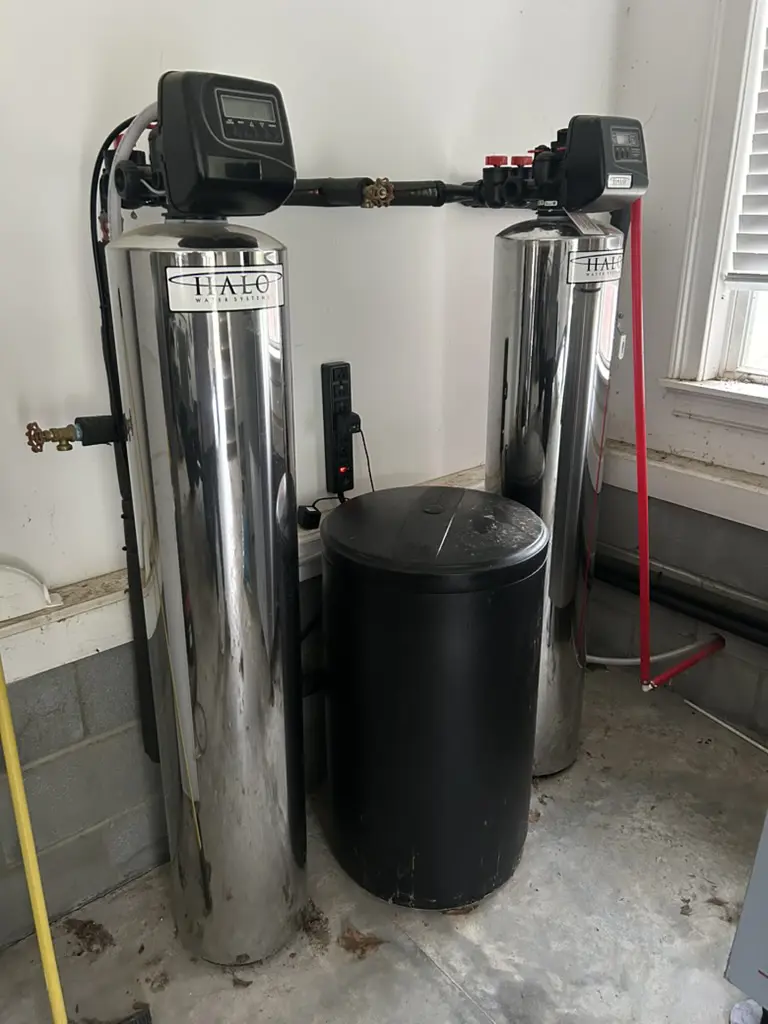
Yes. Quality Service Company is an authorized installer of Halo Water Systems — including the Halo 5 whole-home filtration and conditioning system and the HALO ION salt-free conditioner — as well as traditional water softeners and reverse osmosis drinking water systems. We serve Florence, Darlington, Hartsville, Manning, Sumter, and surrounding communities throughout the Pee Dee.
Find Out What's Really in Your Water
Schedule a free water analysis with Quality Service Company and get expert recommendations for your Florence home.
Get a Free Water Analysis Call (843) 920-2004