

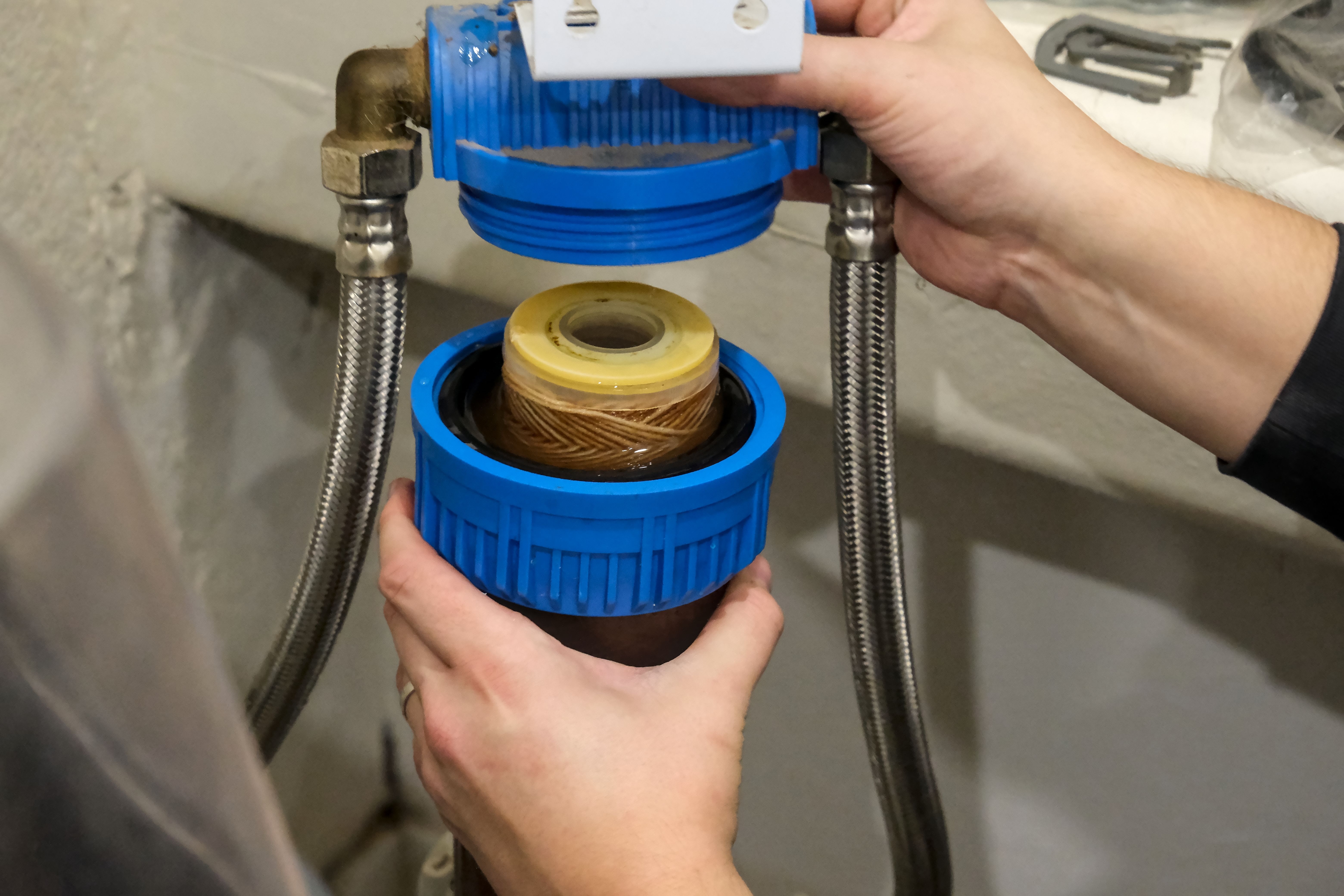
Halo Water Systems vs. Traditional Water Softeners: Which Is Right for Your Florence Home?
A side-by-side comparison to help you make the best decision for your water, your home, and your budget
Hard water is a real problem for Florence and Pee Dee homeowners — scale buildup on fixtures, shortened appliance lifespans, dry skin, and spotty dishes are daily frustrations. Two of the most popular solutions are traditional salt-based water softeners and Halo Water Systems — but they work very differently and are right for different situations. Here's everything you need to know to choose wisely.
How Each System Works
Traditional salt-based water softeners use a process called ion exchange. Hard water flows through a resin tank filled with sodium-charged beads. Calcium and magnesium ions — the minerals that cause hardness — attach to the resin and are replaced with sodium ions. Periodically, the resin is flushed with a salt brine solution to recharge it, producing wastewater that is discharged down a drain.
Halo Water Systems — specifically the HALO ION technology built into the Halo 5 — work through a catalytic conditioning process. Rather than removing hard minerals from the water, the system alters their physical structure at the molecular level so they can't bond to pipe walls, fixtures, or appliances. The minerals stay in the water but lose their ability to cause scale damage. No salt. No ion exchange. No waste brine.
Side-by-Side Comparison
- Requires regular salt purchases
- Produces brine wastewater
- Adds sodium to your water
- Removes beneficial minerals
- Requires electricity to operate
- Needs periodic resin replacement
- Only addresses water hardness
- Can feel "slippery" in showers
- Banned in some municipalities
- No salt — ever
- Zero waste water produced
- Adds nothing to your water
- Retains beneficial minerals
- No electricity required
- Media lasts up to 10 years
- Also filters chlorine, VOCs & more
- Natural water feel maintained
- No environmental restrictions
Detailed Feature Comparison
| Feature | Traditional Softener | Halo Water System |
|---|---|---|
| Removes hard minerals | Yes (ion exchange) | No — restructures them |
| Prevents scale buildup | Yes | Yes |
| Filters chlorine & VOCs | No | Yes (multi-stage carbon) |
| Salt required | Yes — ongoing cost | No |
| Waste water produced | Yes — brine discharge | None |
| Adds sodium to water | Yes | No |
| Retains healthy minerals | No | Yes |
| Electricity needed | Yes | No |
| Ongoing maintenance | High (salt, resin) | Minimal (media ~10 years) |
| Effective for very hard water | Highly effective | Effective for most levels |
| Environmental impact | Brine discharge concern | None |
| NSF certified | Many models yes | Yes |
"The question isn't which system is better — it's which system is right for your water. That's why we always start with a water analysis before making any recommendation."
— Quality Service Company, Florence SCThe Real Cost Difference Over 5 Years
Upfront costs for both systems are similar — but the ongoing costs tell a very different story over time.
Traditional salt softener ongoing costs include: salt bags ($20–$50/month depending on household size and hardness level), electricity to run the system, periodic resin cleaning or replacement, and potential plumber visits for mechanical issues with the control valve and brine tank.
Halo Water System ongoing costs: essentially none between media replacements. No salt, no electricity, no mechanical components that can fail. The media replacement at the 5–10 year mark is the primary service cost — and it's a single visit.
Over five years, many households with traditional softeners spend $1,200–$3,000+ in salt and maintenance alone — costs that are entirely eliminated with the Halo system.
Which System Is Right for Your Situation?
For homes with very high hardness levels, a traditional salt softener may provide more aggressive scale elimination. However, many homeowners in this situation choose to combine a Halo system with a dedicated water analysis to confirm whether ion exchange is truly necessary for their specific hardness level.
May favor: Traditional softener or combination approachIf you don't want to haul salt bags, monitor resin levels, or schedule regular softener maintenance, the Halo system is the clear winner. Set it and forget it — with media lasting up to a decade.
Recommended: Halo Water SystemIndividuals on low-sodium diets or anyone who prefers not to add sodium to their water will benefit significantly from the Halo system's salt-free approach. Traditional softeners add measurable sodium — the amount varies by hardness level but can be a concern for sensitive individuals.
Recommended: Halo Water SystemA traditional water softener only addresses hardness. If you also want to reduce chlorine, chloramines, VOCs, sediment, and odors throughout your entire home, the Halo 5's multi-stage approach does all of this in one system — while also conditioning for hardness.
Recommended: Halo 5 Whole Home SystemSalt softeners discharge brine into the wastewater system — a growing environmental concern that has led some municipalities and states to restrict or ban them. The Halo system produces zero waste, uses no electricity, and adds nothing to the water supply or wastewater stream.
Recommended: Halo Water SystemWhen you factor in the ongoing cost of salt, electricity, and maintenance visits, the Halo system's higher upfront investment typically pays off within 3–5 years — and delivers lower total cost of ownership over the lifetime of the system.
Recommended: Halo Water SystemThe right answer always starts with knowing what's actually in your water. Quality Service Company offers free water analysis for Florence and Pee Dee homeowners. We'll test your hardness level, chlorine content, pH, and other key factors — then recommend the system that makes the most sense for your specific water profile and household needs. No pressure, just information.
Frequently Asked Questions
Yes. Many homeowners who are tired of maintaining their salt softener choose to replace it with a Halo system — particularly the Halo 5, which adds comprehensive filtration in addition to scale conditioning. Our team will assess your current setup and recommend the right transition approach for your home.
The slippery feeling associated with softened water comes from the removal of minerals through ion exchange — leaving a higher concentration of sodium ions that feel slick on skin. Halo-conditioned water doesn't have that same slippery feel because the minerals are still present — just restructured. Many homeowners actually prefer the natural feel of Halo-conditioned water, while still getting the scale protection and improved lather they're looking for.
For moderate hardness levels — which covers the majority of Florence and Pee Dee homes — yes, the HALO ION conditioning is highly effective at preventing scale buildup on pipes, fixtures, and appliances. For extremely hard water (above 10–12 GPG), some homeowners may still see minor scale deposits. A water analysis will determine your hardness level and whether the Halo system alone is sufficient for your situation.
For most Florence-area homes, no. The Halo 5 addresses both filtration and scale conditioning in one system — making a separate softener redundant for the majority of residential applications. In rare cases of exceptionally hard water, our team might recommend a combination approach, but this is the exception rather than the rule.
Start with a free water analysis from Quality Service Company. We'll test your water on-site and walk you through the results — explaining exactly what's in your water, how hard it is, and which treatment solution makes the most sense for your home, budget, and priorities. Call (843) 920-2004 or request your analysis online.
Not Sure Which System Your Home Needs?
Start with a free water analysis from Quality Service Company — and get a clear, no-pressure recommendation for your Florence home.
Get a Free Water Analysis Call (843) 920-2004